

What Teachers and Students Are Saying
Screen Time in Education Part 3
Much of the screen time conversation in education has been shaped by research, policy, and parent advocacy. But there’s another perspective that’s greatly shaping the conversation and deserves just as much attention: the voices of teachers and students living this reality every day.
Across classrooms, informal conversations, social media posts, and even creative projects, a consistent message is emerging, not about rejecting technology but questioning how it’s being used.

A Classroom Perspective We Can’t Ignore
Teachers are increasingly describing instructional days dominated by:
- Repetitive, screen‑based practice
- Long stretches of independent clicking and scrolling
- Reduced opportunities for discussion, writing, and hands‑on learning
Many educators express frustration that their digital tools, though adopted with good intentions, can unintentionally shift their role from instructor to facilitator of screen time.
Students are articulating similar feelings, especially in upper elementary and middle school. They describe learning as something that happens to them through a device, rather than with a community of teachers and peers.
When Student Voice Becomes Creative Expression
One particularly notable example of this sentiment came from an elementary teacher who worked with his third‑grade students to write and perform a song about their daily classroom experience with screen‑based learning tools.
The song captures how students perceive long hours on devices, constant digital assessments, and the disconnect they feel between time spent on screens and what knowledge they actually retain long-term.
The overall message is clear: Students feel overwhelmed, disengaged, and unsure whether constant screen use is truly helping them learn.
Common Themes Emerging from Teacher and Student Feedback
Across districts and grade levels, several consistent themes appear:
- “It feels like busy work.” Students often struggle to connect screen‑based tasks to meaningful learning.
- “I miss real teaching.” Teachers report fewer opportunities for modeling, discussion, and responsive instruction.
- “We collect a lot of data, but learning feels shallow.” Both groups question whether constant digital practice leads to long‑term understanding.
- “Screens are doing too much of the work.” Educators worry about over‑reliance on automated feedback and pacing.
This feedback mirrors what research and parents are already saying: quantity of screen time matters less than the quality and purpose of use.
What This Means for the Bigger Conversation
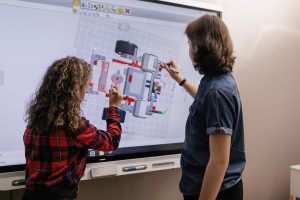
The goal of listening to teacher and student voices isn’t to dismiss technology but to help restore balance.
When technology:
- Replaces instruction instead of supporting it
- Becomes the default rather than the right tool
- Limits creativity, collaboration, and deep thinking
Then, it’s worth revisting it’s place in the classroom.
As districts revisit screen time guidance, these lived experiences should be part of the decision‑making process. Because sustainable, effective learning environments are built not just on policy and research, but on trust and listening to the people who are living them daily.

This series has explored research, legislation, and now classroom voices. Together, they point toward a shared conclusion: