

An Analog Summer Might Be Exactly What Kids Need
As the school year winds down, many educators see a familiar pattern: without the structure of the school day, students’ screen time often increases over the summer. While technology has its place, research continues to show that prolonged screen use can affect children’s attention, sleep, and overall well-being.

Summer offers a great opportunity to reset.
By encouraging low-tech, hands-on experiences, schools and teachers can help families support learning, creativity, and connection over the summer, without turning summer into “school at home.” An analog summer doesn’t mean fully eliminating technology, but involves creating balance, giving kids space to think, read, and explore.
What the Research Says
A growing body of research suggests that reducing recreational screen time can have real benefits for children:
- Studies from the American Academy of Pediatrics link excessive screen use to reduced attention span and disrupted sleep routines.
- Reading physical books has been shown to improve comprehension and retention compared to digital reading, especially for elementary and middle school students.
- Unstructured, hands‑on play supports executive function, problem‑solving, and creativity skills, which are closely tied to academic success.
Kids’ brains benefit from slowing down, and summer is the perfect time to lean into experiences that foster learning without feeling like extra work.
What Is an “Analog Summer”?
An analog summer focuses on activities that don’t involve screens. Examples include:
- Reading physical books
- Writing, drawing, and building
- Playing games, puzzles, or sports
- Exploring outdoors
- Having conversations and telling stories
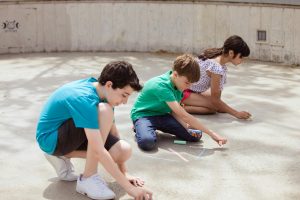
When schools frame summer expectations with intention rather than intervention, even small shifts at home can reduce screen dependency and keep learning active during summer months.
Practical, School-Recommended Ideas for a Low-Tech Summer
1. Create a Daily Reading Rhythm
Instead of tracking minutes on an app, encourage students and families to build reading into the day naturally. For example, reading for 20 minutes after breakfast, reading aloud before bed, or taking a quiet reading time during the hottest part of the afternoon are great ways to build reading into the flow of their day. You can even share reading logs to encourage students to track their progress over the summer, like these!
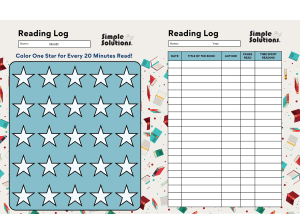
Tip: Encourage families to take advantage of their library’s summer reading program! Many libraries offer awesome prizes for kids (and adults) for tracking their reading, which can be an excellent motivator.
2. Classroom Activity: Build an Analog Summer Bag
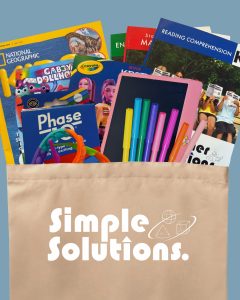
Teachers can inspire meaningful, screen-free summer experiences by helping students create an “analog summer bag” filled with simple, hands-on activities. Using a reusable tote or decorated paper bag, students can personalize their kit with items like a journal, crayons or colored pencils, a deck of cards, a book, and prompts for outdoor exploration or creative challenges. Involving students in choosing and assembling the contents builds excitement and ownership, while also encouraging independence and curiosity over the break. By sending students home with a thoughtfully curated mix of playful and reflective tools, teachers can extend learning beyond the classroom in a fun, low-tech way that supports creativity, mindfulness, and real-world engagement.
Other items teachers can encourage students to add to their bags at home:
- Favorite books
- Logic puzzles, word searches, or math games
- Bubbles
- Painter’s tape (great for art projects, games, and more)
- Chalk
- Fidget toys
- Clay or playdough
- Arts and crafts supplies
This straightforward approach motivates students to explore screen-free activities while engaging them in the meaningful process of creating something of their own.
3. Keep Learning Light but Consistent
Preventing summer learning loss doesn’t require worksheets every day. Short, consistent practice in reading and math, especially when it feels manageable, helps students retain key skills.

Summer Reading Recommendations by Grade Band
To make it easy for families to get started, here are trusted summer reading resources by grade level:
K–2 Resources
- American Library Association Summer Reading List
- Common Sense Media Summer Reading List
- Local library summer reading programs
Grades 3–5 Resources
- American Library Association Summer Reading List
- Common Sense Media Summer Reading List
- State or district‑recommended reading lists
Grades 6–8 Resources
- American Library Association Summer Reading List
- Common Sense Media Summer Reading List
- Middle‑grade reading lists from public libraries
Encouraging student choice is key. When kids choose what they read, they’re more likely to stick with it.
Avoid the Summer Slump with Summer Solutions
For schools and districts looking to offer families structured, research‑based support without overwhelming their summer, Summer Solutions provides short, daily math and reading practice designed to:
- Reinforce grade‑level skills
- Prevent summer learning loss
- Build confidence through consistency
- Contribute to an analog summer
Summer Solutions’ brief and focused lessons make them easy to fit into a low‑tech routine while still supporting academic growth.
A Summer That Supports the Whole Child

An analog summer is about giving kids what they need to move forward and preserving the progress they’ve already made. With the right balance of reading, hands‑on experiences, and light academic practice, summer can be a time of growth, joy, and renewed curiosity, in addition to some much-needed rest.